
100% Compliant
Auditor General Report Lauds Rio Nuevo’s Efforts, Transparency
By Jay Gonzales
It’s been a long, redemptive road for the Rio Nuevo District since 2012, when a new board of directors was appointed by the state legislature to fix a financial catastrophe to today, as a glowing audit declared the district “100% compliant” with the statute that created it.
The complicated story of Rio Nuevo has been rehashed since 2009 when it was determined that the district, created in 1999 by voter-approved initiative, had spent roughly $230 million in tax increment financing with little to show for it. Rather than kill the district, the legislature appointed a new board to fix it.
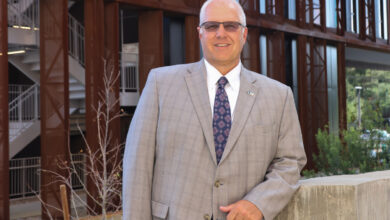
One of the first action items when Board Chair Fletcher McCusker and a group of local business leaders stepped in to run Rio Nuevo was to establish financial safeguards and report transparency, including a state-required audit every three years. The first audit was in 2016.
The most recent Arizona Auditor General’s Report was completed in November by the Chicago-based Johnson Consulting.
“The Rio Nuevo Multipurpose Facilities District has made substantial progress since its reorganization, achieving strong compliance with statutory mandates, prudent financial management, and effective use of public funds to stimulate downtown,” the report said in its executive summary.
“The District’s continued investment in the TCC (Tucson Convention Center) and surrounding area has revitalized Tucson’s urban core, strengthened its position within the regional convention market, and attracted significant private-sector participation.”
That’s the long way of saying one of Rio Nuevo’s primary missions over the last dozen years has been accomplished − compliance.
“This audit is particularly compelling because it’s the first time they’ve identified us as 100% compliant with the statute,” said McCusker. “Every other audit, there’s been some issues of compliance.
“We were expecting they were going to find something, they were going to print something, and they were going to make recommendations.”
And the report did make recommendations, but none were related to compliance with the statute, McCusker said. Instead, the report focused on recommendations for how Rio Nuevo can continue its mission to invest in downtown and the TCC and put the public funds to good use.
The Rio Nuevo District gets 50% of state sales taxes generated in a district that begins west of downtown, encompasses most of downtown, then stretches along Broadway to the east side to include El Con and Park Place malls.
It uses the funds, about $20 million per year, to support projects within the district and attract private sector investment. According to the report, the district committed $115.8 million in project funding, which generated more than $420 million in private investment over the last three years. Since 2013, McCusker said, the ratio of Rio Nuevo funds to private-sector investment is more along the lines of 10 to 1.
The report noted the significant progress that has been made downtown due in part to a commitment to the TCC.
“The Tucson Convention Center remains the District’s primary asset and much of the public investment carried out by the district is in ancillary development which enhances downtown Tucson, thereby supporting the TCC,” the report said.
According to the report, from fiscal year 2022 to 2025, total events at the TCC increased from 280 to 362. Attendance rose to more than 616,000, which is ahead of pre-pandemic levels. Operating revenues more than doubled from $6.1 million in 2022 to $12.4 million in 2025.
The recommendations in the report centered around where Rio Nuevo can continue to invest. But McCusker said the recommendations are a bit out of reach for the district with the current state of sales tax generation.
“The recommendations they made require huge amounts of money that we don’t have,” McCusker said. “There seems to be a disconnect with what we can afford versus what the state is expecting us to deliver.
“For the first time since I’ve been involved, holiday sales were below the prior year by about 30%,” McCusker said. “Every year that I’ve been involved, we’ve seen holiday sales tick up.”
The hope going forward, McCusker said, is for the state to recognize the district’s track record since 2013 and find new sources of revenue for the district.
“We’ve appealed to the legislature to say this formula is probably not sustainable,” McCusker said. “Will they see the wisdom of advancing this? We’ll find out.”
Photo by Dean Kelly Skypod Images